Shenzhen Bao'an International Airport
Confirm the arrival terminal, then compare airport rail, shuttle bus and ride-hailing. For a late arrival, save the hotel address in Chinese before landing.
China’s southern gateway for technology, culture and coast
A city of skyline walks, creative districts, coastal escapes and excellent food. This three-day plan keeps each day in one area, so Shenzhen feels spacious rather than rushed.
Known as Pengcheng, or the City of the Roc, Shenzhen grew from a border town into one of China’s first Special Economic Zones in 1980. Its 2024 GDP reached RMB 3.68 trillion (about US$507 billion), placing it among the world’s larger city economies; today it is also China’s first UNESCO City of Design and a celebrated maker-city hub.
Central Metro access, Civic Center, shopping and skyline views. Choose this for a first visit.
Design spaces, Sea World, waterfront walks and a calmer restaurant scene.
Beaches, old fortifications and seafood; allow a full day because it is far from the CBD.
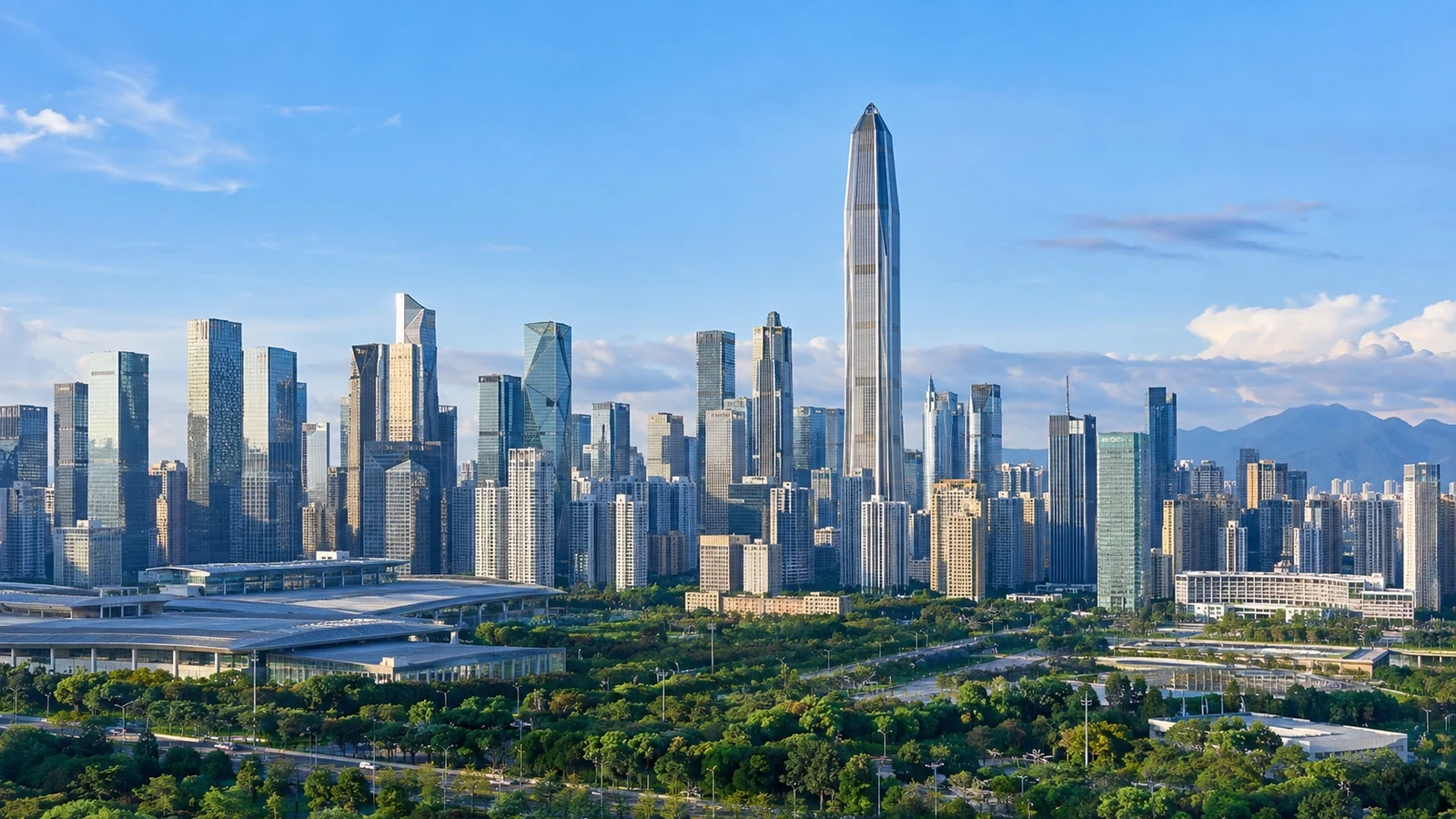
Allow 1.5–2 hours, ideally near sunset. Start around the waterfront promenade, walk or rent a shared bike, and keep the skyline on one side and the bay on the other. Finish in Nanshan or Shekou for dinner rather than backtracking across the city.
Allow 2–3 hours in the late afternoon. The gentle hill is the quickest way to read the geometry of Futian CBD. Pair it with the library, museums or public spaces around Civic Center; it is an easy, low-effort first afternoon after arrival.
Allow 2 hours, preferably weekday morning or late afternoon. Take the smaller lanes slowly, browse the independent shops and exhibitions, then stop for coffee. It works best as a contrast to skyscraper Shenzhen, not as a rushed photo stop.
Allow 2–3 hours. This former industrial district rewards wandering: studios, galleries, bookshops and cafés sit behind unassuming doors. Combine it with a relaxed lunch and visit when you have no strict timetable.
Allow 2 hours plus dinner. Go for the architecture, changing exhibitions and waterfront atmosphere in Shekou. Check the programme before travelling across town, then stay for an evening walk around Sea World.
Allow 1.5–2 hours, and go with a purpose. It is best for seeing Shenzhen’s electronics ecosystem, repairs and maker culture—not for trying to inspect every stall. Choose one category, compare a few shops, and keep valuables close in the crowds.
Reserve a full day and leave early on weekends. Walk the old fortress lanes first, then move to the beach and seafood around Jiaochangwei. The east coast is far from the CBD; use the extra time as part of the experience instead of forcing another city stop.
Allow 1.5–2 hours. Visit working studios and galleries, and ask before photographing artists at work. It is a worthwhile cultural detour for travellers who prefer contemporary creative life to another shopping mall.
Shenzhen eats like a crossroads: Cantonese classics, Chaoshan cooking, Hakka flavours and a serious late-night scene. For the best meals, choose one neighbourhood and eat there rather than crossing the city between courses.
Start a slow morning with shrimp dumplings, rice rolls, char siu buns and tea. Futian and Luohu both have reliable hotel and neighbourhood tea houses.
Order fresh thin-cut beef, beef balls and greens. The clear broth is deliberately light; cook each slice only briefly.
A Shenzhen favourite: chicken poached in sweet coconut water, then vegetables and noodles in the broth. Good for a relaxed dinner with friends.
A Dapeng speciality with local sea urchin folded through rice. It is at its best near the coast and makes a memorable alternative to the city’s more familiar dishes.
Choose live seafood, agree the price and cooking method before it goes to the kitchen, then keep the preparation simple: steamed, ginger-scallion or salt-and-pepper.
For a casual evening, try skewers, grilled oysters, rice-noodle rolls or dessert around older neighbourhoods and night markets. Follow the busiest clean-looking stall.
One of Shenzhen’s signature Cantonese dishes. It is best eaten fresh; treat it as a local meal first, and ask the shop directly about packing only for short domestic journeys.
A distinctively local, packaged gift inspired by Dapeng seafood culture. Choose sealed boxes with a clear date label; they are far easier to carry than fresh seafood.
Dried shrimp, dried squid and salted fish are compact, distinctly coastal gifts. Buy sealed packs and keep the receipt if you are crossing a border.
Phoenix Dancong or Yingde black tea are regional rather than Shenzhen-grown, but excellent, lightweight gifts that travel well and are easy to share.
For a non-food present, browse bookshops, museum stores and design spaces in OCT Loft or Sea World for local illustrations, stationery and small objects.
Xili mangoes and other subtropical fruit are memorable in season, but do not buy them as an international gift: many destinations restrict fresh produce.
Do not carry fresh meat, fresh seafood or unpackaged food across borders. Check your destination’s customs rules; sealed tea and dry packaged goods are usually the simplest choice.
Lianhuashan Park → Civic Center cultural district → Shenzhen Bay sunset → Nanshan dinner.
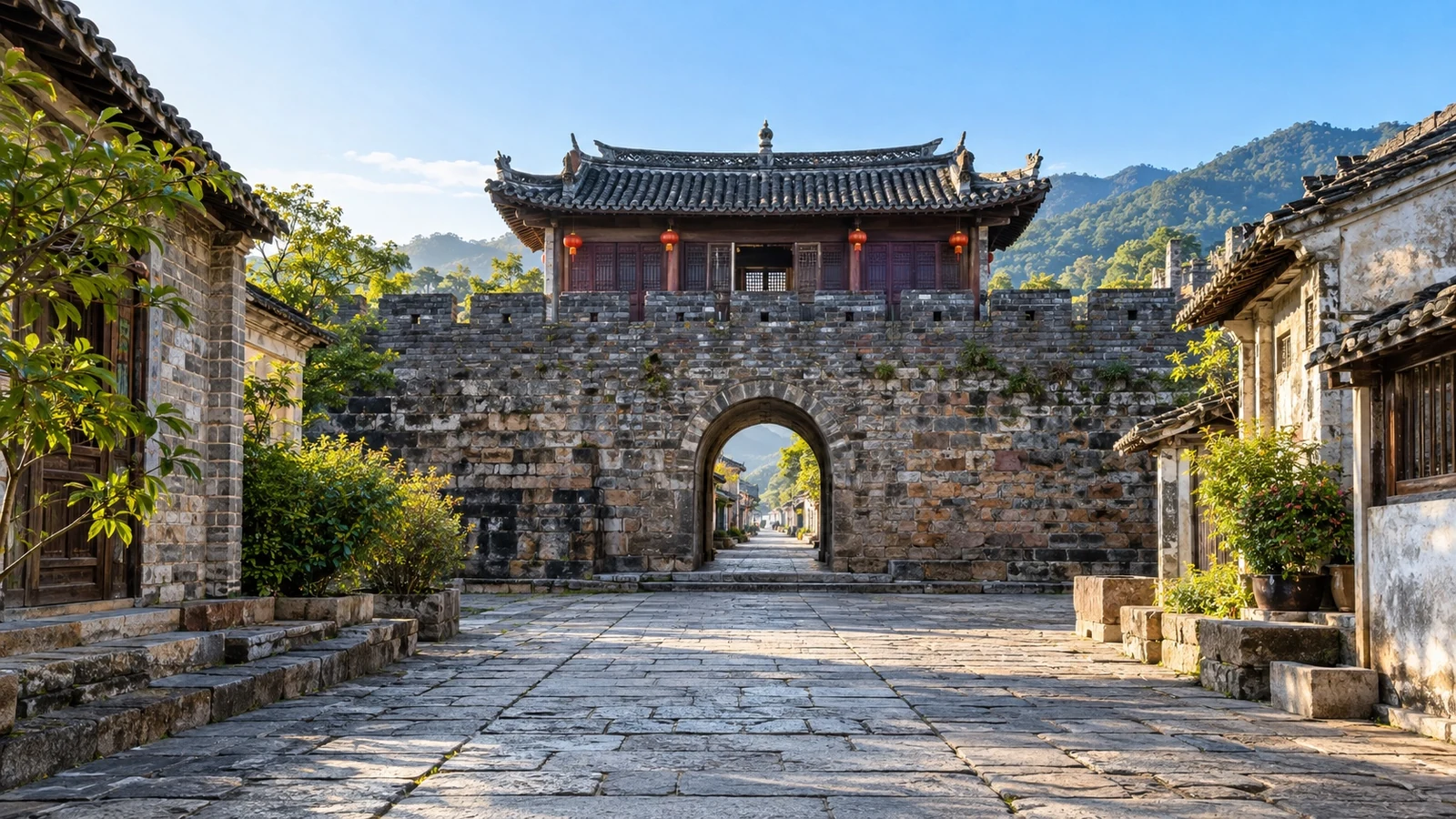
Nantou Ancient Town in the morning → OCT Loft or Sea World Culture and Arts Center in the afternoon → waterfront evening.
Choose Dapeng/Yantian for beaches and seafood, or Huaqiangbei for technology and shopping. Do not combine both in one day.
Futian skyline, Civic Center, Lianhuashan Park, Shenzhen Bay and Nanshan dining.
Nantou Ancient Town, OCT Loft, Sea World Culture and Arts Center and Shekou waterfront.
Dapeng Fortress, Jiaochangwei or nearby beaches, then Yantian seafood. Keep weather and traffic flexible.
Choose Huaqiangbei for technology, a museum/gallery day, or a slower café and shopping day before departure.
Use Metro for central routes, and Didi/taxis for coastal last-mile trips. Keep your hotel address in Chinese, carry a power bank, and allow extra weekend travel time to the east coast.
Confirm the arrival terminal, then compare airport rail, shuttle bus and ride-hailing. For a late arrival, save the hotel address in Chinese before landing.
Large cities can have several stations far apart. Check the complete station name before booking or hailing a ride, and allow time for security and walking transfers.
Ride-hailing is usually simplest with heavy luggage, a late arrival or a hotel away from metro lines. Otherwise compare public transport first to avoid peak-hour road traffic.
A subtropical climate with mild winters, long humid summers and heavy rain or typhoon risk in warmer months. The table uses rounded typical monthly averages for trip planning, not a live forecast.
Light layers and one jacket for cooler mornings or evenings; a compact umbrella for brief rain or strong sun; SPF 30+ sunscreen and sunglasses, reapplied during long outdoor days.
確認實際抵達航站樓,再比較機場巴士、軌道交通與網約車;深夜抵達時預先保存酒店中文地址。
同一城市可能有多個相距很遠的車站。購票與叫車前核對完整站名,並為安檢和步行換乘預留時間。
行李較多、夜間抵達或住宿不靠近地鐵時,網約車通常更直接;其他情況可優先比較公共交通,避免在尖峰時段塞車。
屬亞熱帶氣候,冬季溫和,夏季漫長潮濕;暖季要留意強降雨與颱風帶來的行程變化。 下表為旅行規劃用的典型月均值,不是即時天氣預報。
輕薄分層衣物與一件應付早晚溫差的外套;一把小傘,以應付短時降雨或強日照;SPF 30 以上防曬與太陽眼鏡,戶外步行時記得補擦。
Share a useful local tip, or ask a practical question for your trip.
Shenzhen is a city full of passion, miracles and endless possibilities.