Jinli/Wide Alley
This is the most practical first-visit base. Check the actual walk to a metro or major bus stop and group the nearest sights into one day.
Home of the Panda
Seven days to eat Chengdu thoroughly — hotpot, chuanchuan, Dujiangyan, Qingcheng Mountain, and Nine-Eye Bridge nightlife.
Chengdu, the Hibiscus City, is Sichuan's relaxed but fast-growing capital, known internationally for giant pandas and recognised by UNESCO as a City of Gastronomy.
On a first visit, Giant Panda Base, Jinli Ancient Street and Wuhou Temple reveal the city’s spatial character and history, while Sichuan Hotpot, Mapo Tofu and Kung Pao Chicken add the everyday food culture. Together they connect major landmarks, lived-in neighbourhoods and the pace of the modern city.
This is the most practical first-visit base. Check the actual walk to a metro or major bus stop and group the nearest sights into one day.
Choose this area when it anchors your itinerary. Staying nearby makes early starts, evening walks and local meals easier.
This works well for a late arrival, early departure or short stay. Prioritise simple station access over a decorative hotel address.
For four nights or more in Chengdu, consider a lived-in neighbourhood with restaurants, supermarkets and reliable public transport. It often offers quieter evenings and better value.
Use this as the main attraction of one district and keep lunch nearby, reducing unnecessary cross-city transfers. See pandas in natural habitat. Best at 8am when most active.
Visit in the morning or late afternoon, then explore the side lanes and local shops instead of staying only on the busiest main street. Restored Ming-Qing street with crafts, food and teahouses.
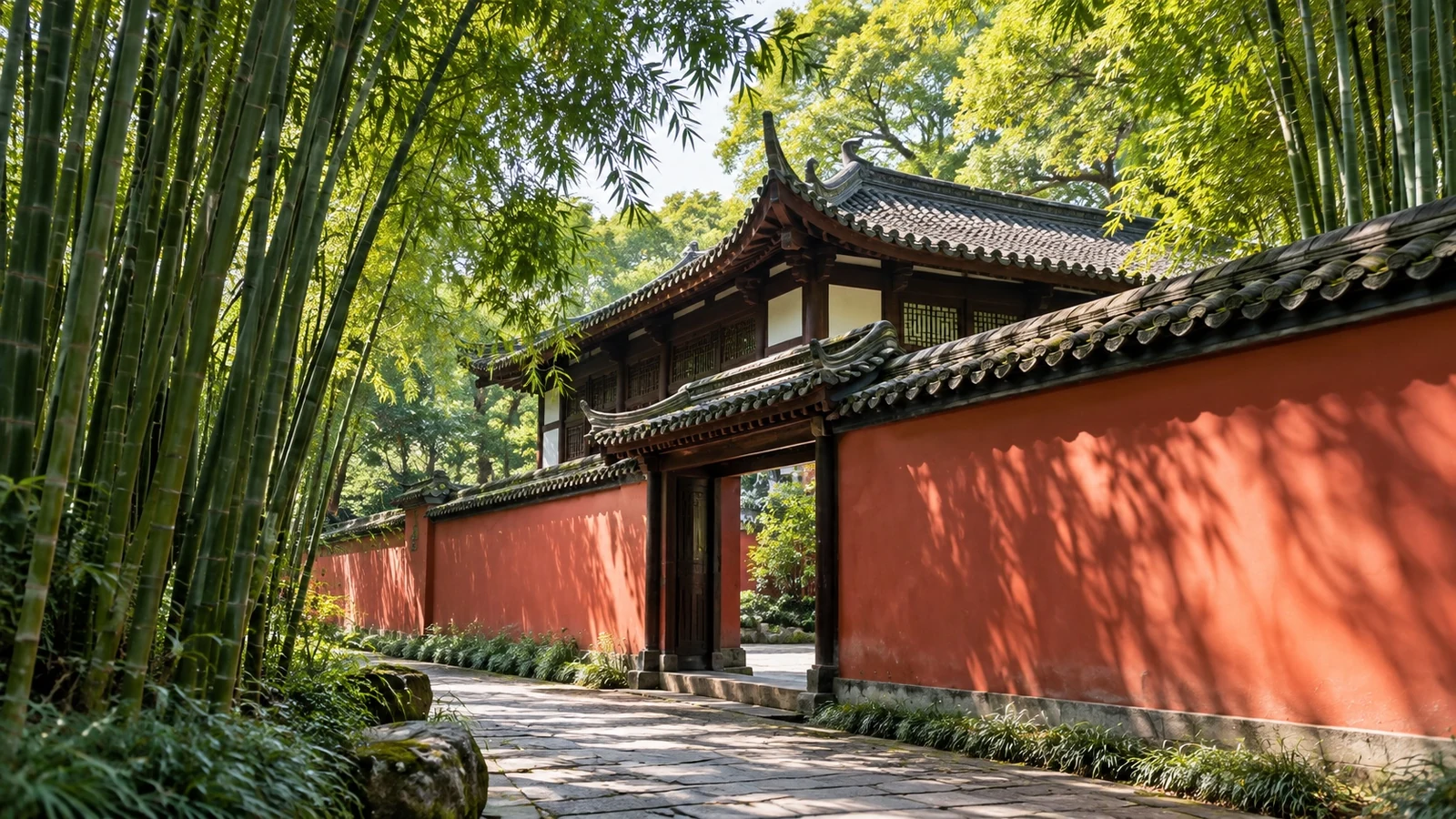
Allow about two hours, dress and photograph respectfully, and confirm whether the site remains an active place of worship. Three Kingdoms shrine. Famous Red Wall bamboo corridor.
Start early, carry water and use shoes with grip. Weather and visibility matter more here than squeezing in another distant stop. Dujiangyan (UNESCO), then rabbit head lunch, then Qingcheng Mountain (Taoist birthplace), then return.
Choose two or three galleries and allow 2–3 hours; check reservation and weekly closing arrangements before travel. Archaeology and ritual objects reveal the ancient Shu civilisation beyond the city’s familiar panda image.
Choose two or three galleries and allow 2–3 hours; check reservation and weekly closing arrangements before travel. A garden-like memorial to the Tang poet, best visited slowly with nearby Huanhuaxi Park.
Allow half a day and check wind, rain, boat operations and the final return connection before setting out. Train to Leshan, then Giant Buddha, then qiaojiao beef lunch, then riverside tea, then return.
Reserve 2–3 hours and avoid the hottest or busiest part of the day; one focused circuit is better than rushing every corner. People's Park + Heming, then Nuli Can lunch, then Jinsha Museum, then Jinli night, then Laoma Tihua, then Nine-Eye Bridge.
Chengdu food is broader than one or two famous dishes. Begin with breakfast, noodles or a small snack, then plan one regional shared meal. Group restaurants by neighbourhood to reduce travel and see how local people actually eat.
Numbing and spicy broth. Huangcheng Laoma serves the classic. Try it at a busy local shop, order a small portion and combine it with other flavours in the same neighbourhood.
Silken tofu in fiery chili bean sauce. Chen Mapo Tofu (est.1862). Try it at a busy local shop, order a small portion and combine it with other flavours in the same neighbourhood.
Tender chicken with peanuts, chilies and Sichuan peppercorns. Order it as part of a shared meal and balance the table with vegetables, a staple and one lighter dish.
Try it at a busy local shop, order a small portion and combine it with other flavours in the same neighbourhood.
Choose a high-turnover specialist cooking each bowl to order; taste the broth and noodle texture before adding chilli, vinegar or extra toppings. Choose a specialist with high turnover, taste the broth and texture first, then add chilli, vinegar or condiments to preference.
Eat it freshly steamed, fried or baked. Order a small portion first so you can compare another local snack nearby.
. Choose a specialist with high turnover, taste the broth and texture first, then add chilli, vinegar or condiments to preference.
. Try it at a busy local shop, order a small portion and combine it with other flavours in the same neighbourhood.
Buy from an established craft shop or museum store, check material and origin, and choose a compact object that travels well.
Buy from an established craft shop or museum store, check material and origin, and choose a compact object that travels well.
Buy from an established craft shop or museum store, check material and origin, and choose a compact object that travels well.
Choose sealed small packs with clear origin and production details; ask how the tea should be brewed and stored.
Buy from an established craft shop or museum store, check material and origin, and choose a compact object that travels well.
Buy from an established craft shop or museum store, check material and origin, and choose a compact object that travels well.
Prefer shelf-stable, sealed and clearly labelled goods. Do not carry fresh meat, seafood, fruit or unpackaged food across borders; check your destination’s customs rules before departure.
Complete the most important sight in the morning and keep lunch in the same district. 7:30am Panda Base (feeding time!). Lunch: vegetarian at Wenshu Monastery. Afternoon: Kuanzhai Alley tea + ear-cleaning. Dinner: Sichuan hotpot!.
Confirm the inter-district transfer in advance and avoid another distant attraction that evening. High-speed rail to Leshan (1hr). 71m Giant Buddha, zigzag path. Lunch: qiaojiao beef + sweet-skin duck. Afternoon: back to Chengdu, Heming Teahouse. Dinner: Chen Mapo Tofu.
Keep the timing flexible and finish near your hotel or onward transport. Morning: Wuhou Temple + red-wall bamboo corridor. Jinli Ancient Street snacks. Lunch: Huangcheng Laoma. Afternoon: Jinsha Museum. Evening: Sichuan opera face-changing show!.
Complete the most important sight in the morning and keep lunch in the same district. Panda Base (7:30!), then Wenshu lunch, then Kuanzhai + Paotongshu, then Chunxi/Taikoo Li, then hotpot.
Confirm the inter-district transfer in advance and avoid another distant attraction that evening. Wuhou Temple, then Jinli, then lunch, then Du Fu's Cottage, then Huanhuaxi Park, then Yulin Road chuanchuan + live music.
Keep the timing flexible and finish near your hotel or onward transport. Dujiangyan (UNESCO), then rabbit head lunch, then Qingcheng Mountain (Taoist birthplace), then return.
Complete the most important sight in the morning and keep lunch in the same district. Train to Leshan, then Giant Buddha, then qiaojiao beef lunch, then riverside tea, then return.
Confirm the inter-district transfer in advance and avoid another distant attraction that evening. People's Park + Heming, then Nuli Can lunch, then Jinsha Museum, then Jinli night, then Laoma Tihua, then Nine-Eye Bridge.
Keep the timing flexible and finish near your hotel or onward transport. Sichuan Museum, then Songxianqiao antiques, then Chengdu Museum, then Fangsuo Bookstore, then Tangba Street dinner.
Complete the most important sight in the morning and keep lunch in the same district. Sansheng Flower Market, then Ming Ting lunch, then Tiexiang Temple tea, then souvenir shopping, then farewell hotpot + bingfen.
14 metro lines. Didi ¥8 start. Leshan 1hr train. Keep your hotel address in Chinese, carry a power bank and allow extra time for station security, weekend traffic and weather changes. Limit each day to no more than two widely separated districts. Save hotel, station and attraction names in Chinese offline, and recheck tickets, weekly closures, weather and the final return connection before setting out.
14-line system reaching all major attractions. ¥2-8 per ride.
To Xi'an 3hr, Chongqing 1.5hr. Chengdu East Station.
Very affordable. Most journeys within 3rd ring under ¥30.
For excursions from Chengdu, confirm the full station name, last return service and final scenic-area connection. Distant destinations should be treated as a full day, not added spontaneously in the afternoon.
Confirm the arrival terminal, then compare airport rail, shuttle bus and ride-hailing. For a late arrival, save the hotel address in Chinese before landing.
Large cities can have several stations far apart. Check the complete station name before booking or hailing a ride, and allow time for security and walking transfers.
Ride-hailing is usually simplest with heavy luggage, a late arrival or a hotel away from metro lines. Otherwise compare public transport first to avoid peak-hour road traffic.
Often cloudy and humid, with mild winters and hot summers; mountain day trips can be markedly cooler. The table uses rounded typical monthly averages for trip planning, not a live forecast.
Light layers and one jacket for cooler mornings or evenings; a compact umbrella for brief rain or strong sun; SPF 30+ sunscreen and sunglasses, reapplied during long outdoor days.
七天吃透蓉城——火鍋、串串、都江堰、青城山、九眼橋夜生活。
成都別稱蓉城,是四川節奏鬆弛卻發展迅速的省會;大熊貓與川菜讓它享譽世界,並獲聯合國教科文組織美食之都稱號。
第一次到訪時,可以從大熊貓基地、錦里古街、武侯祠理解城市的空間與歷史,再透過四川火鍋、麻婆豆腐、宮保雞丁認識當地人的日常口味。這些線索把代表性景點、生活街區與現代城市節奏連成一個更完整的目的地印象。
這是第一次到訪最實用的住宿基地。確認步行到地鐵或主要公交站的實際距離,並把附近景點集中在同一天。
當這個區域是行程主軸時適合住在附近,能讓早起、晚間散步與在地用餐更方便。
適合較晚抵達、清晨離開或短暫停留;與其追求漂亮地址,更應優先考慮進出車站是否簡單。
如果在成都停留四晚以上,可把住宿移到餐館、超市和公共交通都方便的生活街區,以較少費用換取更安靜的晚上。
把它作為同一片區的主要景點,午餐留在附近,減少不必要的跨城往返。 近距離觀察國寶,建議8點到,預留3-4小時。
最好在上午或傍晚到訪,除了最熱鬧的主街,也要走進支巷與本地店舖。 修復明清古街,手工藝品小吃茶館林立。
選擇兩至三個重點展廳並預留2至3小時;出發前確認預約方式與每週閉館安排。 紀念諸葛亮聖地,著名紅牆竹影走廊。
最好在上午或傍晚到訪,除了最熱鬧的主街,也要走進支巷與本地店舖。 熊貓基地(7:30!)→文殊院午餐→寬窄+泡桐樹→春熙太古里→火鍋。
最好在上午或傍晚到訪,除了最熱鬧的主街,也要走進支巷與本地店舖。 把這裡作為一個街區游的核心,中途在附近用餐,不必跨城尋找餐廳。 武侯祠→錦里→午餐→杜甫草堂→浣花溪→玉林路串串+Live。
早點出發,攜帶飲水並穿防滑鞋;這類景點更應重視天氣與能見度,不要再硬塞遠距離行程。 都江堰→兔頭午餐→青城山前山→返回成都。
選擇兩至三個重點展廳並預留2至3小時;出發前確認預約方式與每週閉館安排。 考古遺址與祭祀器物呈現大熊貓形象之外的古蜀文明。
選擇兩至三個重點展廳並預留2至3小時;出發前確認預約方式與每週閉館安排。 紀念唐代詩人杜甫的園林式空間,適合與浣花溪公園一起慢慢遊覽。
成都的飲食不應只靠一兩道名菜代表。從早餐、麵食或小吃開始,再安排一頓地方正餐;按街區組合餐館,能減少往返,也更容易看到本地人的日常口味。
麻辣鮮香牛油鍋底,皇城老媽經典之選。 把它安排在共享正餐中,搭配蔬菜、主食和一道較清淡的菜,整桌會更平衡。
嫩滑豆腐麻辣醬汁,陳麻婆豆腐正宗本源。 選本地客人多的店先點小份,和同一街區的其他味道組成一次完整美食散步。
嫩滑雞丁花生乾辣椒花椒,荔枝味型酸甜微辣。 把它安排在共享正餐中,搭配蔬菜、主食和一道較清淡的菜,整桌會更平衡。
選本地客人多的店先點小份,和同一街區的其他味道組成一次完整美食散步。
選本地客人多的店先點小份,和同一街區的其他味道組成一次完整美食散步。
找現煮、翻桌快的專門店,先嘗原湯與麵條口感,再按當地習慣加入辣椒、醋或配菜。 選翻桌快的專門店,先嘗湯底與麵粉口感,再按喜好加入辣椒、醋或調味料。
。 選翻桌快的專門店,先嘗湯底與麵粉口感,再按喜好加入辣椒、醋或調味料。
。 選本地客人多的店先點小份,和同一街區的其他味道組成一次完整美食散步。
在可靠工藝店或博物館商店購買,確認材質與來源,並選容易攜帶的小型物件。
在可靠工藝店或博物館商店購買,確認材質與來源,並選容易攜帶的小型物件。
在可靠工藝店或博物館商店購買,確認材質與來源,並選容易攜帶的小型物件。
選原產地與生產資訊清楚的密封小包裝,並詢問正確沖泡與保存方式。
在可靠工藝店或博物館商店購買,確認材質與來源,並選容易攜帶的小型物件。
在可靠工藝店或博物館商店購買,確認材質與來源,並選容易攜帶的小型物件。
食品以常溫、密封和標示清楚為優先;新鮮肉類、海鮮、水果與散裝食品不要直接跨境,出發前請確認目的地海關規定。
上午先完成最重要的景點,午餐留在同一片區。 早上7:30大熊貓基地!午餐文殊院素齋。下午寬窄巷子蓋碗茶掏耳朵。晚餐正宗四川火鍋!。
跨區交通提前確認,晚上不要再安排另一個遠距離景點。 高鐵樂山1小時。71米大佛,九曲棧道。午餐蹺腳牛肉甜皮鴨。下午鶴鳴茶社。晚餐陳麻婆豆腐。
保留彈性並在酒店或離城交通附近結束。 上午武侯祠紅牆竹影。錦里三大炮。午餐皇城老媽。下午金沙遺址。晚上川劇變臉!。
上午先完成最重要的景點,午餐留在同一片區。 熊貓基地(7:30!)→文殊院午餐→寬窄+泡桐樹→春熙太古里→火鍋。
跨區交通提前確認,晚上不要再安排另一個遠距離景點。 武侯祠→錦里→午餐→杜甫草堂→浣花溪→玉林路串串+Live。
保留彈性並在酒店或離城交通附近結束。 都江堰→兔頭午餐→青城山前山→返回成都。
上午先完成最重要的景點,午餐留在同一片區。 高鐵樂山→大佛→蹺腳牛肉→江邊喝茶→返回。
跨區交通提前確認,晚上不要再安排另一個遠距離景點。 人民公園鶴鳴→努力餐→金沙→錦里夜→老媽蹄花→九眼橋。
保留彈性並在酒店或離城交通附近結束。 四川博物院→送仙橋→成都博物館→方所書店→鏜鈀街晚餐。
上午先完成最重要的景點,午餐留在同一片區。 三聖鄉花市→明婷午餐→鐵像寺喝茶→特產採購→告別火鍋冰粉。
14條地鐵。滴滴8元起步。樂山高鐵1小時。 保存酒店中文地址,隨身攜帶充電寶,並為車站安檢、週末交通與天氣變化預留額外時間。 同一天最多安排兩個相距較遠的區域;把酒店、車站和景點中文名離線保存,並在出發前重新確認門票、休館日、天氣與最後返程交通。
14條線路覆蓋景點,票價2-8元。
到西安3小時重慶1.5小時,成都東站樞紐。
三環內出行大多不超30元。
從成都前往周邊景點時,先確認完整車站名、返程末班時間與景區最後接駁;距離較遠的目的地應作為完整一天,而不是下午臨時追加。
確認實際抵達航站樓,再比較機場巴士、軌道交通與網約車;深夜抵達時預先保存酒店中文地址。
同一城市可能有多個相距很遠的車站。購票與叫車前核對完整站名,並為安檢和步行換乘預留時間。
行李較多、夜間抵達或住宿不靠近地鐵時,網約車通常更直接;其他情況可優先比較公共交通,避免在尖峰時段塞車。
常見多雲與潮濕天氣,冬季較溫和、夏季炎熱;前往周邊山區時溫度可能明顯更低。 下表為旅行規劃用的典型月均值,不是即時天氣預報。
輕薄分層衣物與一件應付早晚溫差的外套;一把小傘,以應付短時降雨或強日照;SPF 30 以上防曬與太陽眼鏡,戶外步行時記得補擦。
Traveller comments
Share a useful local tip, or ask a practical question for your trip.