Imperial landmarks, living hutongs, major museums, contemporary culture and memorable northern food. This guide keeps each day geographically focused so Beijing feels layered rather than overwhelming.
Known historically as Yanjing and often called the Northern Capital, Beijing is the capital of the People’s Republic of China and the nation’s political and cultural centre. More than seven centuries of capital-city planning remain visible in its palaces, ceremonial spaces, hutongs and 7.8-kilometre Central Axis, while new libraries, arts districts and regenerated industrial sites show how the city continues to evolve.
Dongcheng: Wangfujing, Qianmen or Dongsi
The best all-round base for a first visit. You can reach the Forbidden City, Central Axis, Temple of Heaven and many hutong neighbourhoods with fewer cross-city transfers. Qianmen is historic and busy; Dongsi is quieter and more residential.
Gulou and Shichahai
Choose this area for courtyard stays, lakeside evenings and easy walks around the Drum Tower, Bell Tower, Lama Temple and hutongs. Check whether your hotel is close to a metro station because taxis cannot enter every narrow lane.
Chaoyang: Sanlitun, CBD or Liangmaqiao
A practical choice for international hotels, restaurants, nightlife and business travel. It works well for 798 Art District and eastern Beijing, but imperial sights require longer metro journeys.
Haidian and west Beijing
Useful for the Summer Palace, universities and longer stays. It is calmer than the central districts, though less convenient if most of your itinerary is around Tiananmen and the old city.
Palace Museum and Jingshan Park
Reserve at least four hours for the former imperial palace of the Ming and Qing dynasties, completed in 1420 and used by 24 emperors. Admission is limited and must be booked with the passport used for entry. Follow the one-way route from Meridian Gate to the northern exit, then climb Jingshan for the clearest view of the palace roofs and old-city axis.
Beijing Central Axis
The UNESCO-listed axis runs 7.8 kilometres through the old city and explains Beijing’s ceremonial order better than any single building. Explore it in sections: Yongding Gate and the Temple of Heaven in the south; Qianmen, Tiananmen and the Forbidden City in the centre; Jingshan, the Drum Tower and Bell Tower in the north.
Mutianyu Great Wall
Allow a full day including transfers. Mutianyu is a well-preserved Ming section in Huairou District with watchtowers, forested ridgelines and cable-car access. It is generally easier for a first visit than a strenuous wild section. Start early, wear shoes with grip and check weather before leaving central Beijing.
Temple of Heaven
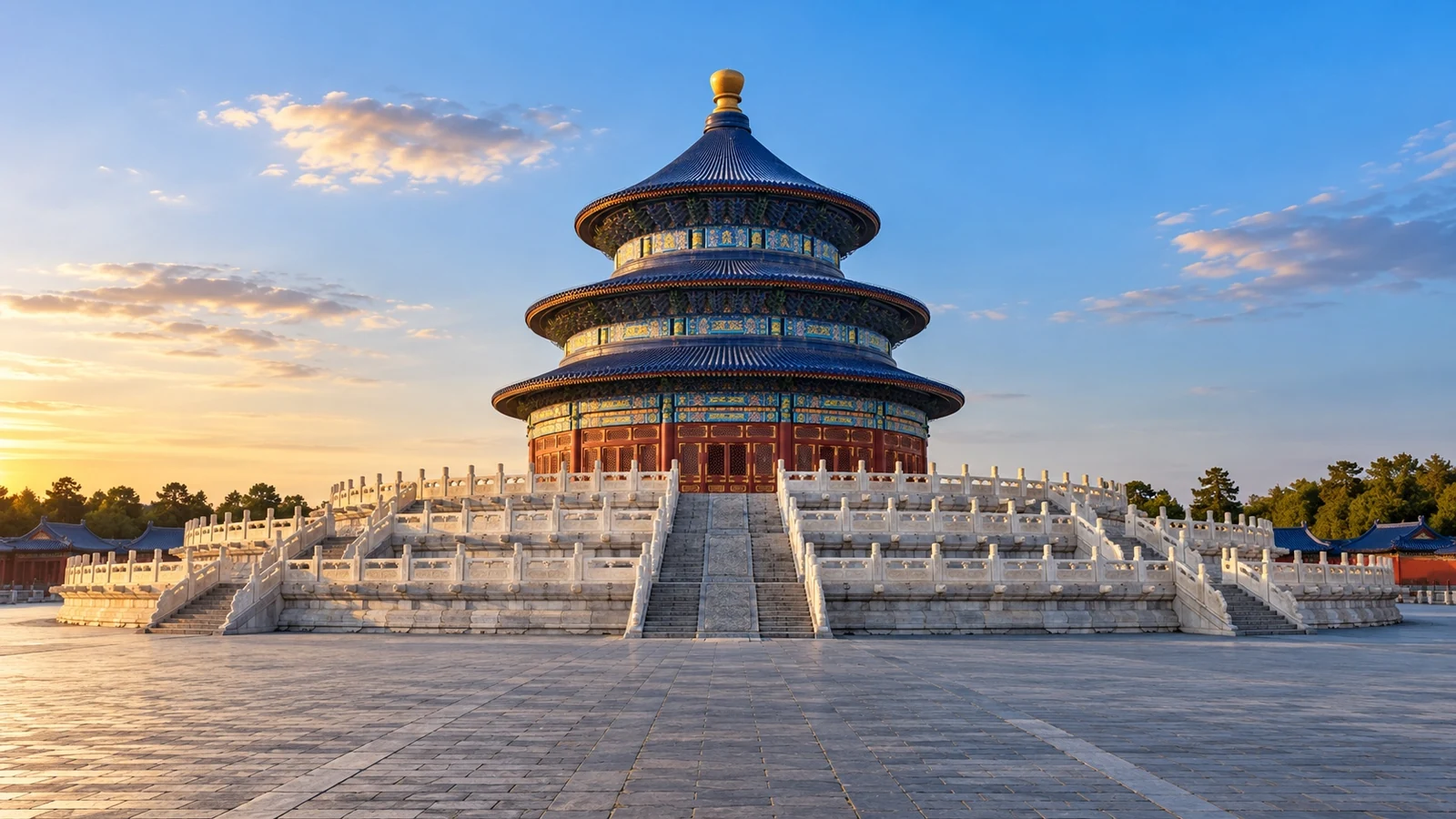
Arrive in the morning for local exercise groups and a calmer approach to the Hall of Prayer for Good Harvests. Built from 1420, the complex was used by Ming and Qing emperors for sacrifices and prayers for good harvests. Allow two to three hours and include the Circular Mound Altar and Imperial Vault of Heaven.
Summer Palace
Give the imperial garden at least half a day. Rather than circling all of Kunming Lake, combine the Long Corridor, Longevity Hill, Tower of Buddhist Incense and one lakeside or boat section. The site was first created in 1750, rebuilt in the late nineteenth century and inscribed by UNESCO in 1998.
National Museum of China
Use this museum to connect Beijing’s monuments with the wider history of China. The permanent galleries are extensive, so select one or two themes instead of attempting every floor. Free timed reservations are required, the original passport must match the booking, and the museum is normally closed on Mondays outside public-holiday adjustments.
Hutongs, Drum Tower and Lama Temple
Spend a slower day north and east of the old city. Begin at the Lama Temple and Imperial Academy, walk through Wudaoying and quieter lanes, then continue to the Drum and Bell Towers and Shichahai. Nanluoguxiang is lively but crowded; the smaller side lanes show more everyday neighbourhood life.
Grand Canal, Beijing Library and Tongzhou
Tongzhou reveals Beijing beyond the imperial core. Walk part of the Grand Canal waterfront, then visit the Beijing Library, whose large reading spaces and ginkgo-inspired interior have made it a new cultural landmark. This is best treated as a focused eastern-Beijing day rather than an add-on after the Forbidden City.
Shougang Park and Olympic Beijing
The former steelworks has become one of Beijing’s most successful industrial-regeneration districts and retains venues from the 2022 Winter Olympics. Pair blast-furnace architecture and the Big Air platform with the Olympic Green, Bird’s Nest or a contemporary exhibition to understand the city’s modern design ambitions.
Peking Man Site at Zhoukoudian
This UNESCO site southwest of central Beijing preserves important evidence of early human activity, including remains associated with Homo erectus known as Peking Man. It requires a dedicated half or full day and suits travellers especially interested in archaeology, human origins and museum interpretation.
Beijing cooking combines imperial banquet traditions, Muslim and Mongolian influences, wheat-based northern staples and practical street snacks. Plan one formal shared meal, one hotpot or noodle meal and several small snacks instead of eating roast duck repeatedly.
Peking duck
A properly carved duck balances crisp skin, tender meat, pancakes, scallion, cucumber and sweet bean sauce. Reserve it as a shared meal and ask whether a whole or half duck suits your group. Established roast-duck restaurants use different ovens and carving styles, so there is no need to chase only one brand.
Shuan yangrou
Thin slices of mutton are quickly cooked in a traditional copper pot with a clear broth, then dipped in sesame sauce seasoned with fermented tofu and chive flower. It is especially satisfying in cool weather and works best with vegetables, tofu and a shared staple.
Zhajiangmian
Firm wheat noodles, fried fermented-bean sauce and a spread of shredded vegetables make this one of Beijing’s most approachable everyday meals. Mix thoroughly and taste before adding vinegar or chilli.
Baodu and halal Beijing dishes
Quick-blanched tripe is valued for its precise texture and is usually served with sesame sauce. Around Niujie, combine it with beef or mutton dumplings, sesame flatbreads and other halal Beijing specialities.
Jianbing and Beijing breakfast
A freshly made savoury crepe with egg, sauce and a crisp wafer is convenient on a walking day. Look for a high-turnover breakfast stall and eat it immediately while the textures are still distinct.
Douzhi and jiaoquan
Fermented mung-bean drink served with crisp fried rings is a famous old-Beijing breakfast with a distinctly sour aroma. Treat it as a cultural tasting rather than ordering a large portion on your first attempt.
Tanghulu
Hawthorn fruit coated in a brittle sugar shell is the classic version of this winter street snack. Choose a freshly made skewer with a dry, glassy coating and eat it before the sugar becomes sticky.
Lüdagun and Beijing pastries
Glutinous rice rolls coated with roasted soybean flour and filled with sweet bean paste are known as lüdagun. Pair a small portion with tea, and also look for traditional walnut, sesame and date pastries.
Boxed Beijing pastries
Choose a reputable shop, sealed packaging and a clearly printed production date. Mixed boxes are easier to share than one large pastry, but check shelf life before a long international journey.
Cloisonné enamelware
Jingtailan is one of Beijing’s best-known decorative crafts. For a practical gift, choose a small ornament, coaster or pendant from a museum shop or established craft retailer and request protective packing.
Carved lacquer and traditional craft objects
Small carved-lacquer boxes and objects can be beautiful but quality varies widely. Ask about material and technique, keep the receipt and avoid items presented as antiques without reliable provenance.
Palace Museum and museum design gifts
Museum shops offer stationery, bookmarks, textiles and household objects inspired by architecture and collections. These are compact, easy to pack and often more useful than generic souvenir-market products.
Tu’er Ye and opera-inspired designs
Rabbit-god figurines and tasteful Peking-opera designs make recognisable local gifts. Choose contemporary work from cultural shops rather than fragile mass-market masks of uncertain quality.
Beijing-style jasmine tea
Jasmine tea is closely associated with old Beijing drinking habits even though the leaves and flowers are grown elsewhere. Buy sealed small packs from a specialist that can explain grade, scenting and brewing.
Day 1: the imperial core
Start early at Tiananmen Square if it is part of your plan, then enter the Palace Museum from Meridian Gate for a focused four-hour visit. Exit north, climb Jingshan Park and continue to Qianmen or Dashilan for dinner. Keep the entire day on the Central Axis and do not add the Summer Palace.
Day 2: Mutianyu Great Wall
Leave central Beijing around 07:00 to 07:30. Use a direct tourist bus, private transfer or carefully planned public transport to Mutianyu. Spend three to four hours on the wall, including cable-car or chairlift time, and return before evening traffic. Keep dinner near your hotel.
Day 3: Temple of Heaven and hutong Beijing
Visit the Temple of Heaven soon after opening, have a simple noodle or dumpling lunch, then take the metro to the Lama Temple and Imperial Academy. Walk through Wudaoying toward the Drum and Bell Towers, ending around Shichahai for an evening meal.
Day 1: Central Axis and the Palace Museum
Follow Beijing’s ceremonial heart from Tiananmen and the Forbidden City to Jingshan. End around Qianmen or Wangfujing, leaving enough time for security and reserved entry.
Day 2: Mutianyu Great Wall
Treat the Great Wall as the only major attraction of the day. Start early, walk at a comfortable pace and keep a weather alternative because strong wind, rain, snow or heat can change the experience.
Day 3: Temple of Heaven and National Museum
See the Temple of Heaven in the morning, then use a reserved afternoon slot at the National Museum. If museum fatigue sets in, replace part of the visit with Qianmen, Dashilan or a slow dinner.
Day 4: Summer Palace and Haidian
Give the Summer Palace most of the day. Walk the Long Corridor and Longevity Hill, then choose a boat or lakeside section. Add the university district only if access arrangements and energy allow.
Day 5: Lama Temple, hutongs and Shichahai
Begin at the Lama Temple and Imperial Academy, continue through Wudaoying and quieter hutongs, then reach the Drum Tower, Bell Tower and Shichahai before the evening crowds.
Day 6: contemporary Beijing
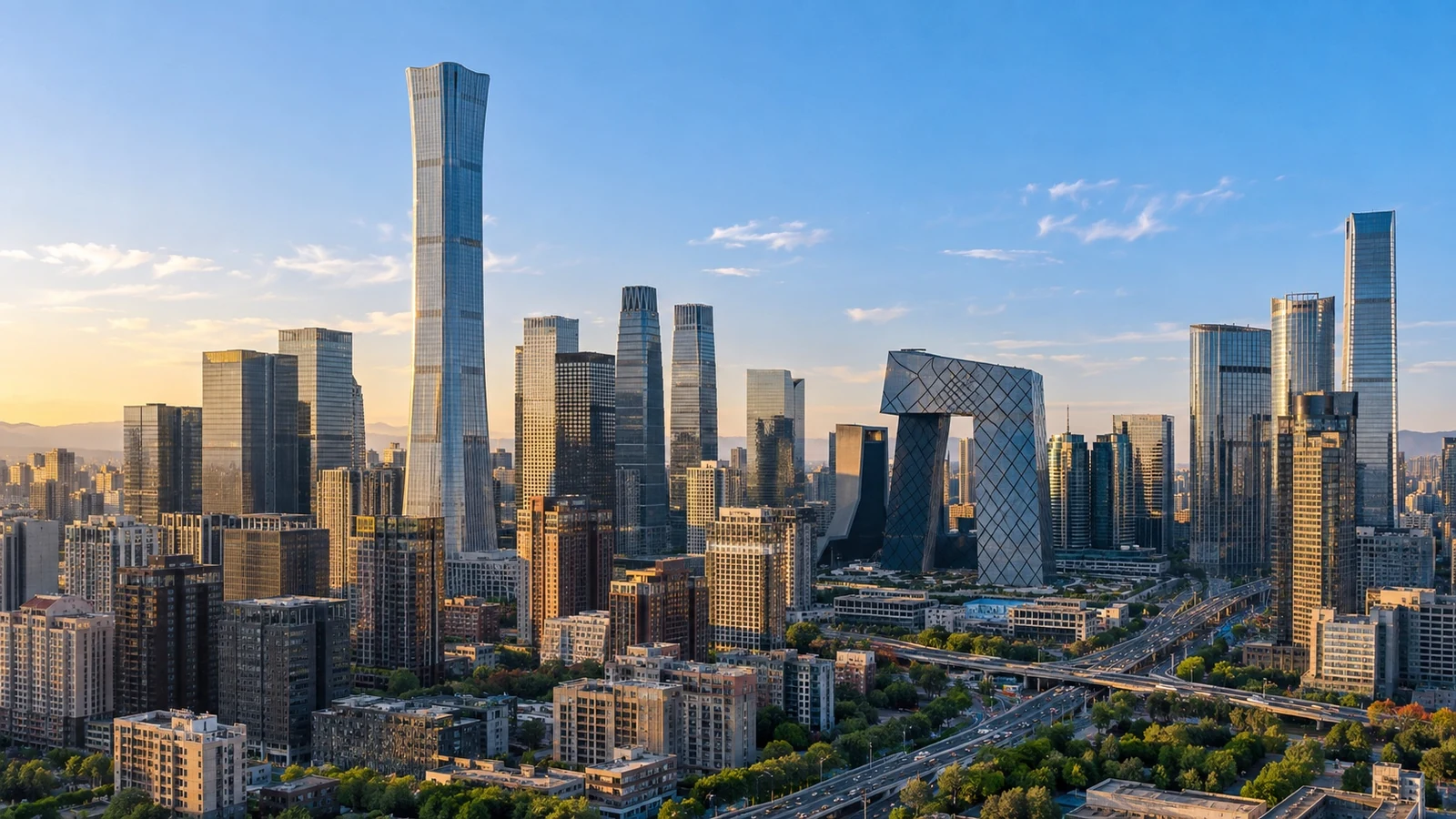
Choose one coherent modern-city route: 798 and Chaoyang’s galleries, or Shougang Park and the western Olympic legacy. Finish with Sanlitun, the CBD skyline or a performance booked in advance.
Day 7: Tongzhou or Zhoukoudian
Choose Tongzhou for the Grand Canal waterfront and Beijing Library, or Zhoukoudian for archaeology and early-human history. Keep the final evening unscheduled for packing, a favourite repeat meal and the next day’s station or airport transfer.
Beijing’s distances are large and many headline attractions require real-name reservations. Book the Palace Museum and National Museum through official channels, use exactly the same passport details you will carry, and check Monday closures and temporary weather notices. Keep Chinese names and addresses saved offline, allow extra time for security at Tiananmen-area sites and railway stations, and avoid planning more than two distant districts in one day.
Subway and walking
The metro is usually the most predictable way to cross Beijing. Group attractions by district, expect substantial walking inside palace and park sites, and check the final train and station exit before late evenings.
Taxis and ride-hailing
Ride-hailing is useful before early reservations, after long museum days and for groups, but traffic can be slow at rush hour. Save the destination in Chinese and confirm the correct gate because major sites often have several entrances.
Bikes for hutong districts
Shared bikes work well between the Lama Temple, Drum Tower and nearby hutongs, but stay off pedestrian-only lanes, park only in marked areas and avoid cycling beside heavy traffic until you understand local road flow.
Great Wall transfers
Mutianyu is outside the urban transit network. Compare official tourist buses, direct coaches and private transfers, confirm the return departure point, and do not rely on an improvised late-afternoon connection.
Traveller comments
Share a useful local tip, or ask a practical question for your trip.